TMJ & TMD Learning Center
understanding
tmj & tmd
❋ TMJ
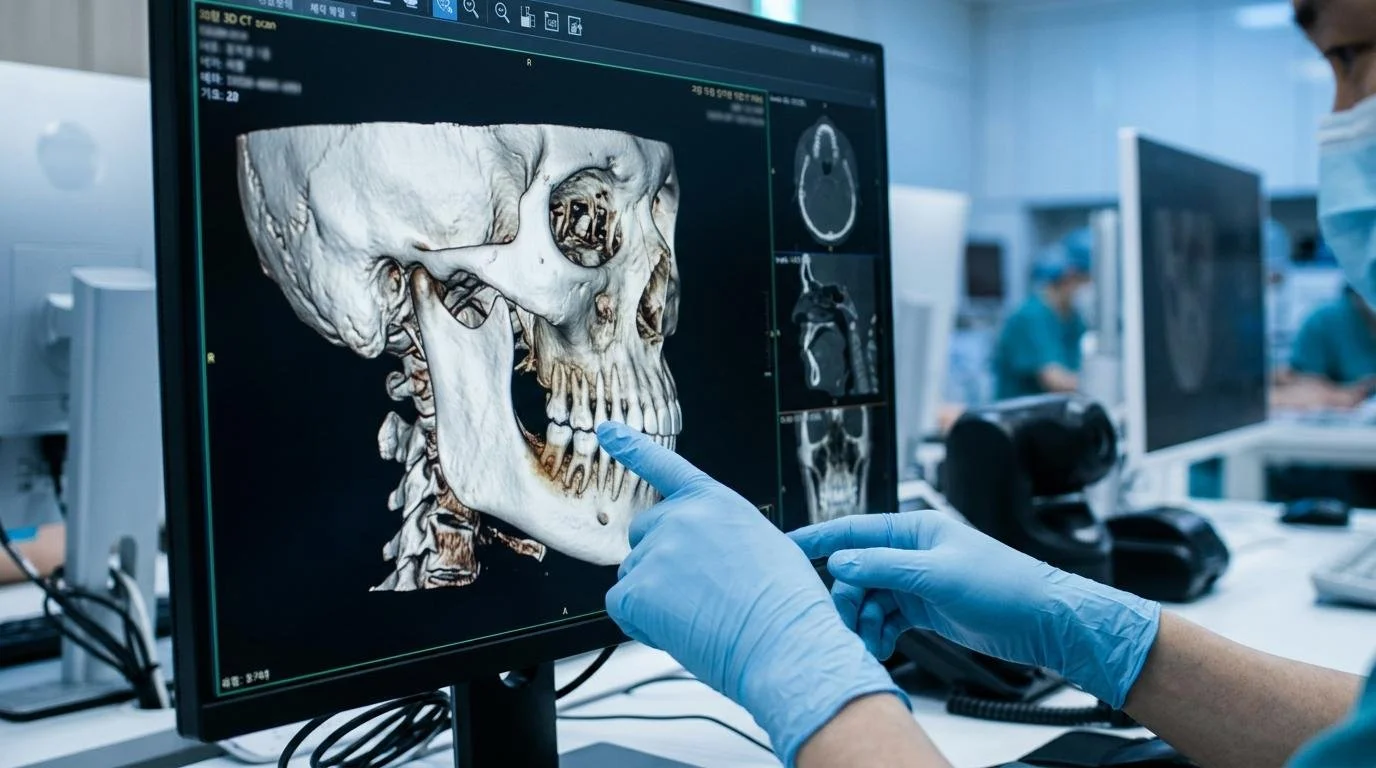
The temporomandibular joints connect the lower jaw to the skill and allow chewing, speaking, and yawning.
❋TMD:
TMD is a group of more than 30 disorders affecting the jaw joints, chewing muscles, and related issues.
❋ TMJ vs. TMD:
TMJ is the joint where TMD refers to the disorders affecting the joints or surrounding muscles.
❋Common symptoms:
Jaw pain, facial pain, headaches, ear-area pain, limited opening, locking, clicking, and painful chewing.
A painless click alone does not necessarily indicate disease.
❋Multiple causes:
TMD can result from arthritis, injury, disc disorders, muscle disorders, bruxism, or other contributing factors. Osteoarthritis and inflammatory arthritis can affect TMJ.
❋Evaluation:
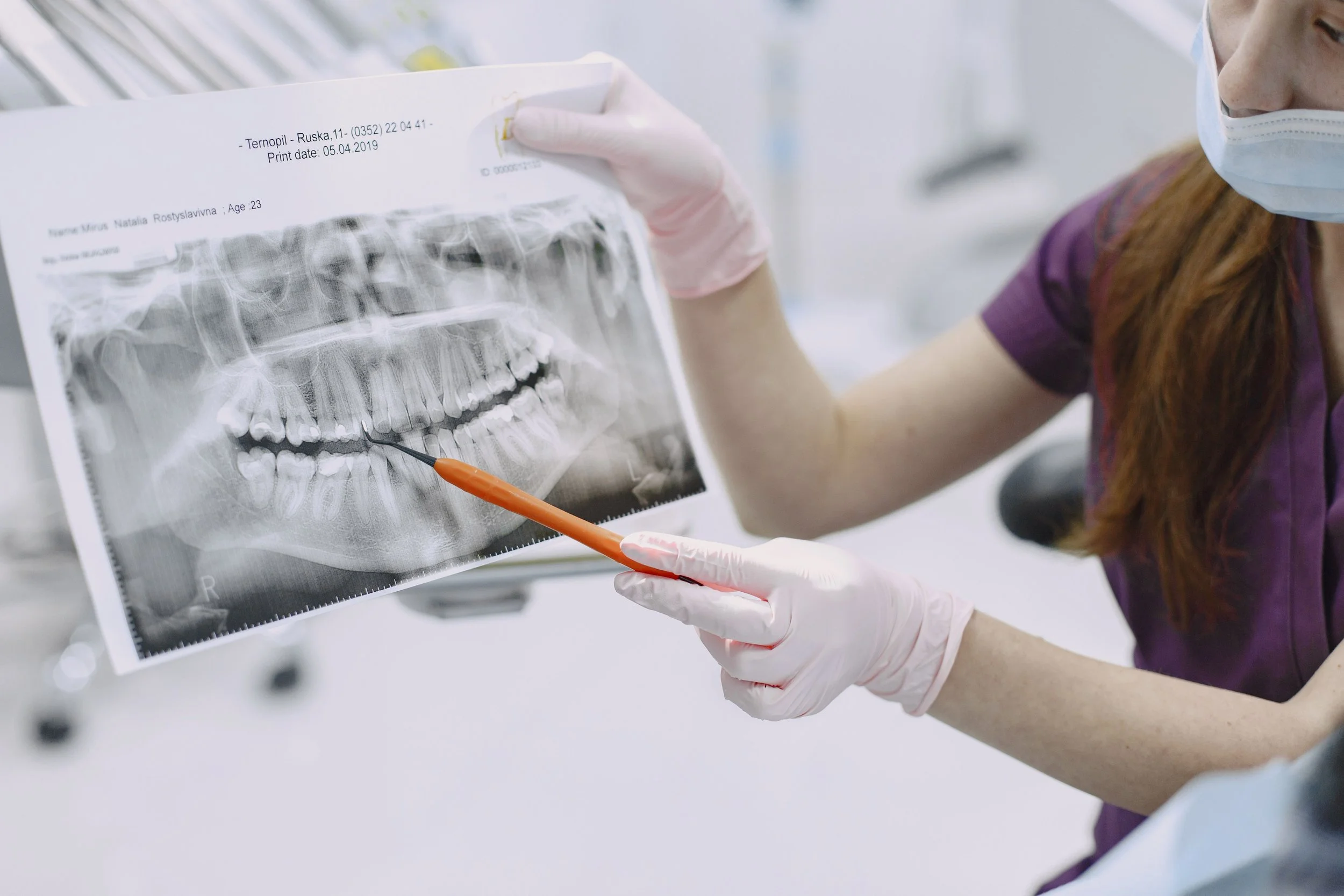
Diagnosis is based on history, physical examination, and when appropriate, imaging such as MRI or CT. No single test can diagnose every TMD.
❋Treatment:
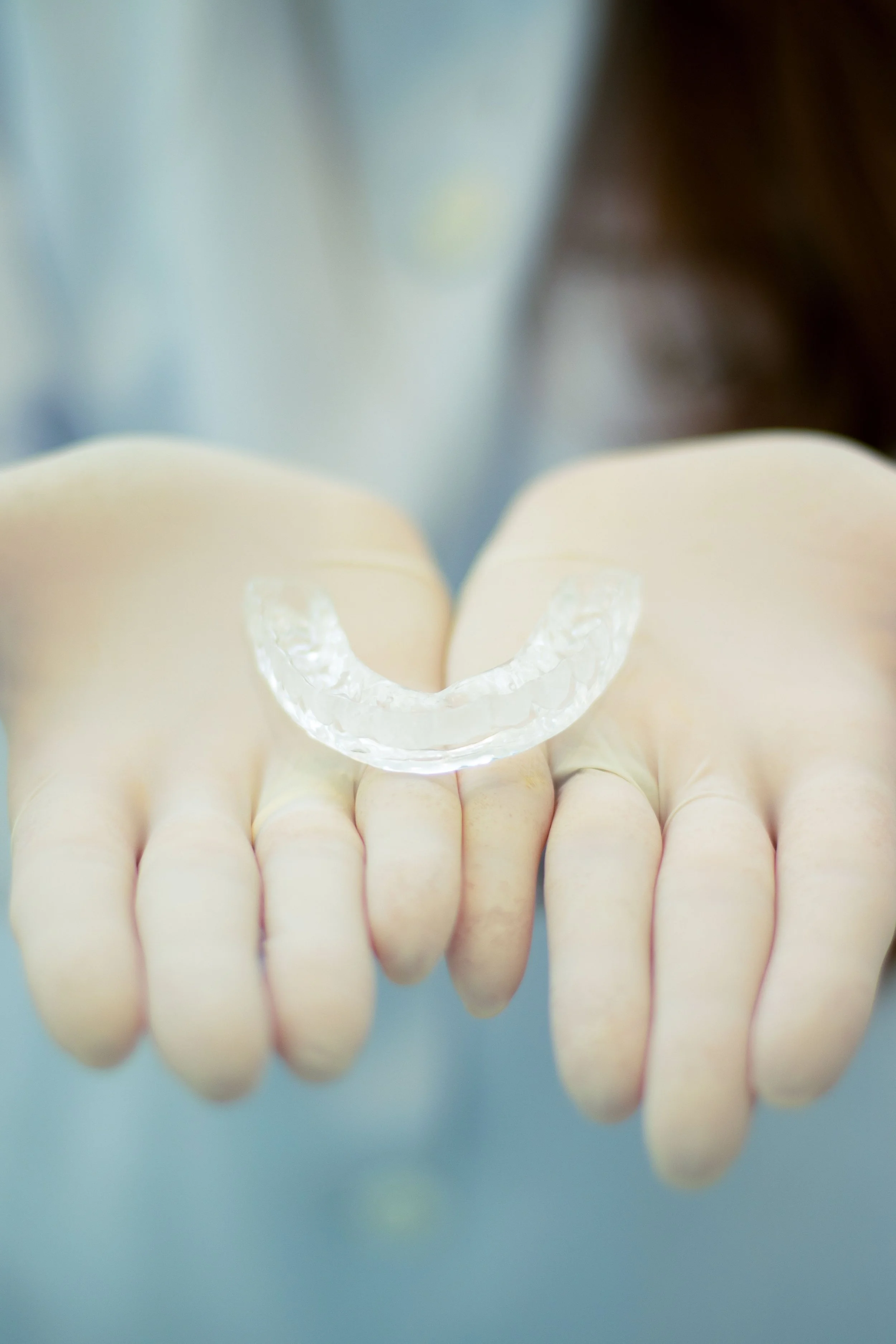
Many patients begin with reversible treatments such as self-care, physical therapy, medications, and oral appliances. Joint surgery is reserved for selected patients after careful evaluation.
the real life
impact of TMD
❋THE IMPACT
Temporomandibular disorders (TMD) are often described in terms of jaw pain and joint function, but the effects frequently extend far beyond the jaw. Research has shown that TMD can influence daily activities, emotional well-being, sleep, work, and overall quality of life. Every persons experience is different, but understanding these broader impacts helps explain why TMD deserves greater awareness and research.
❋EATING
Chewing is one of the first daily activities many people notice changing. Pain, limited jaw opening, fatigue, or joint dysfunction can make meals uncomfortable. Some people gradually avoid foods they enjoy, cut food into smaller pieces, or rely on softer foods. In severe cases, nutrition and weight may be affected.
❋TALKING
Talking requires repeated jaw movement. Long conversations, meetings, teaching, customer service work, presentations, or even time with family and friends may increase pain or muscle fatigue for some people.
❋SLEEP:
People with TMD often report disrupted sleep because of pain, nighttime clenching or grinding, or difficulty finding a comfortable sleeping position. Poor sleep can also make chronic pain harder to manage, creating a cycle in which pain and fatigue reinforce one another.
❋MENTAL & EMOTIONAL HEALTH:
Living with chronic pain can affect emotional health. Studies have found higher rates of anxiety, depression, and psychological distress among people with chronic TMD. This does not mean the disorder is psychological—it means persistent pain can have emotional consequences, just as many chronic illnesses do.
❋WORK & SCHOOL:
Persistent pain, headaches, limited jaw function, and medical appointments can affect attendance, productivity, and concentration. Some people benefit from workplace or school accommodations depending on the severity of their symptoms.
❋RELATIONSHIPS & SOCIAL LIFE:
Meals with friends, celebrations, long conversations, and travel can become more difficult when symptoms flare. Some people feel isolated because TMD is an “invisible illness” that others may not easily recognize.
❋FINANCIAL IMPACT:
The cost of TMD can include specialist visits, imaging, oral appliances, medications, physical therapy, surgery, travel, and missed work. For people with persistent symptoms, these expenses may accumulate over months or years.
The financial impact of TMD varies widely. Some people improve with conservative care and spend relatively little. Others may require years of specialist visits, imaging, physical therapy, oral appliances, medications, injections, surgery, and travel for specialized care.
Research consistently shows that people with TMD have higher healthcare costs than people without the disorder, and many patients report paying significant out-of-pocket expenses because insurance coverage is often limited.
The U.S. National Academies reports that people with TMD often face substantial out-of-pocket costs, particularly because care is frequently fragmented across medical and dental providers, and many patients pay for services that insurance does not fully cover.

MYTH vs. FACT
❋MYTH:
Everyone with jaw clicking
has TMD
❋FACT:
Many healthy people have painless
jaw sounds that do not
require treatment
❋MYTH:
TMD is just a bad case of jaw pain.
❋FACT:
TMD can affect far more than the jaw. It may cause headaches, ear pain, neck pain,
facial pain, ringing in the ears (tinnitus), dizziness, difficulty chewing, and limited jaw movement.
❋MYTH:
If you can still open your mouth, your TMJ isn’t serious.
❋FACT:
Some people have severe pain, joint damage, or disc problems even with a normal range of motion. Symptoms and severity don’t always match.
❋MYTH:
If your X-rays look normal, your pain isn’t real.
❋FACT:
Many TMJ disorders involve the joint disc, muscles, ligaments, or nerves. These problems often require an MRI or a thorough clinical examination to diagnose.
❋MYTH:
TMD only affects your jaw.
❋FACT:
The temporomandibular joint works closely with the muscles of the face, neck, and head. That’s why TMD symptoms can extend well beyond the jaw.
❋MYTH:
Everyone with TMD needs surgery.
❋FACT:
Many patients improve without surgery; treatment depends on the diagnosis.

THE STATS
❋TMD can signigicantly affect eating, sleeping, work, and overall quality of life.
❋TMD affects an estimated 5-10% of people in the United States.
❋TMD is more common in women than men.
❋TMD is considered one of the most common musculoskeletal pain conditions.
❋Symptoms vary widely, so no two patients have exactly the same experience.
TRUSTED SOURCES:
National Institute of Dental and Craniofacial Research (NIDCR)
American Association of Oral and Maxillofacial Surgeons (AAOMS)
Mayo Clinic
Cleveland Clinic
MedlinePlus (U.S. National Library of Medicine)
National Library of Medicine / PubMed
Cochrane Library
American Academy of Orofacial Pain (AAOP)
American Academy of Oral & Maxillofacial Radiology (AAOMR)
National Institute of Dental and Craniofacial Research (NIDCR) –
Mayo Clinic – https://www.mayoclinic.org/diseases-conditions/tmj
Cleveland Clinic – https://my.clevelandclinic.org/health/diseases/15066-
temporomandibular-disorders-tmd-overview
National Academies of Sciences, Engineering, and Medicine –
https://nap.nationalacademies.org/catalog/25652/temporomandibular-disorders-
from-research-discoveries-to-clinical-treatment
PubMed – https://pubmed.ncbi.nlm.nih.gov/
The TMJ Association – https://tmj.org/